
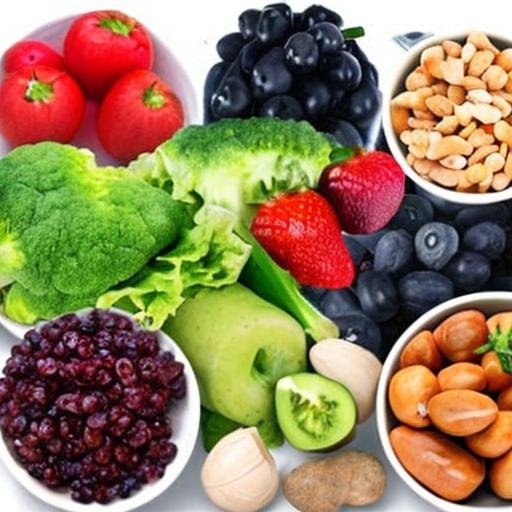
Most of us understand that a balanced diet is important for our physical health. However, what many of us may not realize is that a balanced diet also has a huge impact on our mental health. There is a strong link between what we eat and how we feel. Research has found that a diet high in sugar and processed foods can lead to depression, anxiety, and other mental health issues. On the other hand, a diet rich in whole foods, healthy fats, and lean proteins can help to improve mood, reduce stress, and promote overall wellbeing. In this blog post, we will explore the surprising connection between a balanced diet and better mental health. We’ll look at the types of foods you should be eating, how they impact your mood, and some simple tips for incorporating them into your daily diet.
1. The link between diet and mental health
The link between diet and mental health is becoming more and more evident. A balanced and healthy diet can have a significant impact on our mental health and well-being. Researchers have found that people who eat a healthy diet are less likely to experience depression, anxiety, and stress. A diet that includes fruits, vegetables, whole grains, lean proteins, and healthy fats can help provide the necessary nutrients for our brain to function correctly. These nutrients help support brain function, reduce inflammation, and promote the growth of new brain cells. On the other hand, a diet that is high in processed foods, sugar, and unhealthy fats can contribute to poor mental health outcomes. It is important to note that diet is not a replacement for professional mental health treatment, but it can be used as a complementary approach to support overall well-being. Making small changes to your diet, such as incorporating more fruits and vegetables, can have a significant impact on your mental health.
2. The foods that can affect mood
It’s no secret that a balanced diet is important for maintaining a healthy body, but did you know that it can also have a significant impact on your mental health? The foods we eat can affect our mood, energy levels, and overall mental well-being. Some foods can even help alleviate symptoms of depression and anxiety. Foods high in sugar, refined carbohydrates, and saturated fats can lead to a crash in energy levels and mood swings. On the other hand, foods high in protein, healthy fats, and complex carbohydrates can help stabilize blood sugar levels and promote a more positive mood. Foods rich in omega-3 fatty acids, such as salmon, walnuts, and flaxseeds, have also been linked to improved mood and a decreased risk of depression. Other mood-boosting foods include leafy greens, berries, and dark chocolate, which contain antioxidants that can help reduce inflammation and promote brain health. It’s important to remember that the foods we eat can have a profound impact on our mental health, and making small changes to our diet can lead to significant improvements in mood and overall well-being.
3. Tips for incorporating mood-boosting foods into your diet
It’s important to mind your plate when it comes to eating a balanced diet for better mental health. While there are many factors that contribute to our mood and mental wellbeing, the food we eat can have a significant impact. To incorporate mood-boosting foods into your diet, here are a few tips: 1. Incorporate more fruits and vegetables: Fruits and vegetables are packed with vitamins, minerals, and antioxidants that can help protect your brain cells and improve your mood. Aim to eat a variety of colorful produce each day to get the most nutrients. 2. Choose whole grains: Whole grains are a great source of fiber, which can help regulate your blood sugar levels and keep your mood stable. Swap out refined grains like white bread and pasta for whole grain versions like brown rice and whole wheat bread. 3. Eat more omega-3 fatty acids: Omega-3 fatty acids are essential for brain health and can help reduce inflammation in the body. Add fatty fish like salmon, mackerel, and sardines to your diet, or try plant-based sources like flaxseeds, chia seeds, and walnuts. 4. Limit processed and sugary foods: Processed and sugary foods can cause inflammation in the body and lead to blood sugar spikes and crashes, which can negatively affect your mood. Try to limit your intake of these foods and focus on whole, nutrient-dense options instead. By incorporating these tips into your diet, you can help support your mental health and overall wellbeing. Remember, a balanced diet is just one part of a holistic approach to mental health, so be sure to also prioritize sleep, stress management, and regular exercise.
4. Conclusion.
In conclusion, the link between a balanced diet and better mental health cannot be overstated. As we have seen, a healthy diet can help to alleviate symptoms of depression and anxiety, boost mood and energy levels, and improve overall cognitive function. Eating a varied and balanced diet, rich in fruits, vegetables, whole grains, lean proteins, and healthy fats, is essential for good mental and physical health. It’s also important to avoid processed foods, sugary drinks, and excessive alcohol consumption, which can have a negative impact on mental health. By taking care of our bodies and minds through healthy eating habits, we can enjoy better mental health and lead happier, more fulfilling lives. So, next time you reach for that bag of chips or candy bar, remember to mind your plate and choose foods that will nourish both your body and your mind.
————————–
 health care
Leave a comment